Samyama Tips and Recipes to Help with Samyama Preparation
Samyama Tips
These miscellaneous notes compile practical wisdom regarding diet management while preparing for intensive spiritual practice — from my experience or something I heard while preparing for Samyama.
Optimizing Digestion and Meal Structure
- Gut Adaptation Period: It takes approximately one mandala (about 40 days) for your gut microbiome to fully adjust and efficiently process the type of food provided at the Ashram or during Samyama.
- Meal Frequency: Limiting your intake to one or two meals per day is generally considered optimal.
- The Daytime Raw Rule: Maximize your consumption of raw foods during the day. Avoid eating the day’s “raw food quota” — especially raw vegetables, nuts, and sprouts — at night. Raw is for the daytime. Cooked foods and fruits are generally better digested if you must eat late.
- Strategic Eating Order: Prioritize fruits and vegetables. Follow this sequence for optimal digestion:
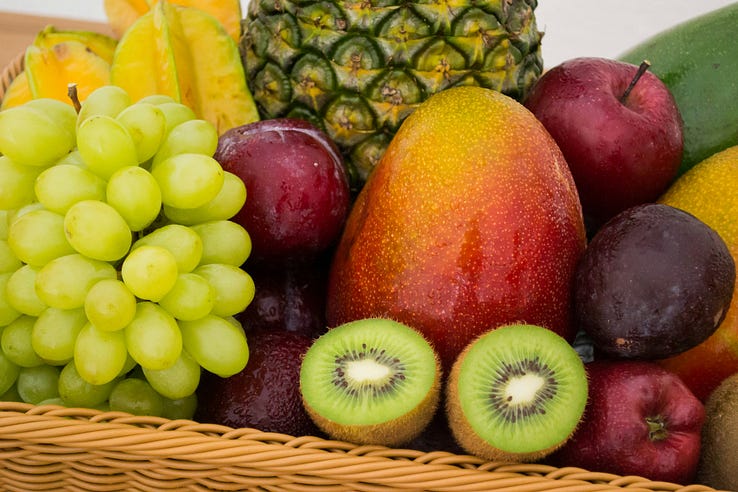
- Fruits
- Raw Vegetables / Salad
- Nuts, Sprouts, and Cooked Food
- Payasam / Coconut Milk (Dessert)
Also, finishing your fruits and vegetables first lets you hit your raw food requirement. After that, you can enjoy your cooked dishes to your heart’s content. You also do not have to worry about your knife skills.
Food Choices and Energy Management
- Avoid Sleep Inducers: Reduce consumption of potatoes, as they can induce drowsiness, which is counterproductive when the goal is increased alertness and meditation. Some people also suggest minimizing pungent vegetables like cabbage and cauliflower.
- Caffeine and Stimulants: Completely abstain from tea, coffee, chocolate, and cocoa. Explore alternatives like Sukku (dry ginger) coffee. You can also find tried-and-tested recipes for making “coffee” from roasted chickpeas, date seeds, or wheat grains.
- Juice Consumption: Avoid commercial juices. If you must have them, only consume freshly prepared juices. Fruit juices are generally high in sugar and low in essential fiber.
- Avoid Artificial Flavoring: Artificial flavoring essences usually contain alcohol and may contain stimulants.
- Papaya: Although they serve them often at Akshaya, Biksha hall, and at programs, I have heard that papayas are integral to Ekadashi dinner. Now, I used to consume a lot of fruits when I had flu, fever, cold, sinusitis, etc. Most fruits are “cold” and sour, and can flare up such conditions. But my Ayurveda doctor told me to avoid all fruits when I had such symptoms. The only fruit he said helps with such symptoms due to inherent “heat” and lack of sourness — Papaya!
Balancing Nutrition and Satvik elements
Whole Soy Beans
If soaked, sprouted, and cooked well, whole soy beans offer high-quality plant protein (complete profile of essential amino acids), fibre, and healthy fats. Apart from Vitamin B9, they have iron, manganese, phosphorus, copper, magnesium, and potassium. The beans also give women the advantage of Isoflavones (Phytoestrogens). Saponins promote a healthy cholesterol profile and cleanse the gut.
If whole soy beans are too finicky for you, try soy bean powder as a topping.
Coconuts
Grind fresh coconut meat to make rich sattvic gravy bases for your Samyama-friendly curries. Roast and grind for a bit more rajasic base. Coconut milk is a great replacement for milk and yogurt in most preparations — kanji, payasam, khichdi, puddings, smoothies, gravies, you name it! Grated coconut adds crunch and richness to salads and ganjis. Electrolyte-rich coconut water is the best drink nature offers!
Coconuts contain Medium-Chain Triglycerides (MCTs) that are quickly absorbed and converted into energy, providing a clean fuel source for the body and mind without creating lethargy (Tamas).
From an Ayurvedic perspective, its inherently cooling nature helps balance the Pitta (heat) that can arise from intense meditation and yogic practices, promoting tranquility.
Coconuts also provide Manganese, Copper, and Iron, which support bone health, blood oxygenation, and overall metabolic function.
Sriphalam is truly your best friend!
Puttu: A Wholesome Vehicle for Raw Foods
Puttu is a naturally gluten-free preparation, made from coarse-ground rice and grated coconut, making it a key part of holistic living and an aid to meditation. Since it is steamed, it is a “light” meal that does not cause heaviness or sluggishness (tamas).
The combination of complex carbohydrates from the rice and dietary fiber from the grated coconut provides sustained energy and promotes satiety (a feeling of fullness).
Furthermore, its simple, natural preparation — often using minimal ingredients — preserves the intrinsic nutrients and aligns perfectly with a clean, minimally processed approach to diet.
You can also customize the flour (e.g., using millet or whole wheat varieties) to boost the fiber and micronutrient content, further supporting digestive health and weight management.
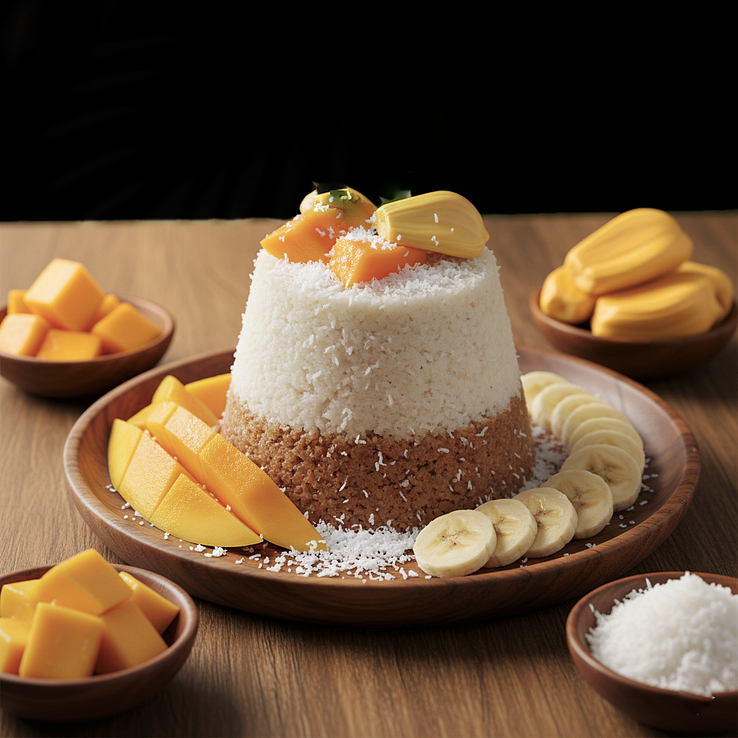
The key advantage of having Puttu during Samyama preparation is its remarkable versatility. It pairs beautifully with raw grated coconut and various sweet, full-bodied fruits like mangoes, bananas, and jackfruit. You may also combine sprouts with it, making it an ideal base.
You mostly come across recipes and images of puttu in a cylindrical shape. But it's okay to not have the equipment to make it. You can slightly wet and steam any coarse flour in any steamer to make puttu. It's manageable!
Cooking and Emergency Food Preparation
- Open-Pot Cooking: Whenever possible, avoid pressure cooking. Open-pot cooking is the ideal method.
- Lentil Preparation: Always remember to remove the foam/scum that forms when boiling lentils, peas, or other pulses.
- Boiling Jaggery: When boiling jaggery in water, similar foam collects on the sides of the pot. You may skim that away. Try to strain the jaggery syrup.
- Coconut Milk: When using coconut milk, remember that boiling coconut milk for longer than a couple of minutes will split it. Coconut milk splits into curds and virgin coconut oil on high, prolonged heat. Also, if you have leftover coconut milk (which might spoil), heat it in a pan until the oil separates and the solids are golden brown. You get two products — virgin coconut oil and browned curds. The browned curds can be used as a cookie ingredient.
- Sanjeevani Use: Sanjeevani is an excellent emergency option to have on hand, but it should only be used in small quantities when cooking is not feasible.
- Travel and “No-Cook” Options: For traveling or situations where cooking is genuinely impossible, carry:
- Soaked groundnuts and Sanjeevani.
- Roasted pulses (like roasted chana dal, which is a great oil-free option).
- Rice flakes, puffed rice, and snacks made from them.
- Chikki: You can make peanut-sesame chikki (or buy from a trusted source). A simpler, no-cook alternative is to crush sesame seeds, add cardamom or cloves, blend with jaggery powder, and roll the mixture into balls.
These guidelines emphasize mindful eating and optimal digestion to maximize alertness and energy efficiency for the intensive practices of Samyama. By carefully structuring meals and prioritizing raw, natural foods and non-stimulating substitutes, we create the best internal environment to support deeper meditation and a holistic spiritual journey.
Samyama Recipes:
- Travel Snack Recipe: Aval Vilayichathu
- Samyama-Friendly Sattvic SAMBAR (Vegan, Positive Pranic)
- Sprouts Salad (Raw & High Pranic) | Samyama Preparation
- Mushroom-Cabbage Soup with a Touch of Millet


Comments
Post a Comment